
In short
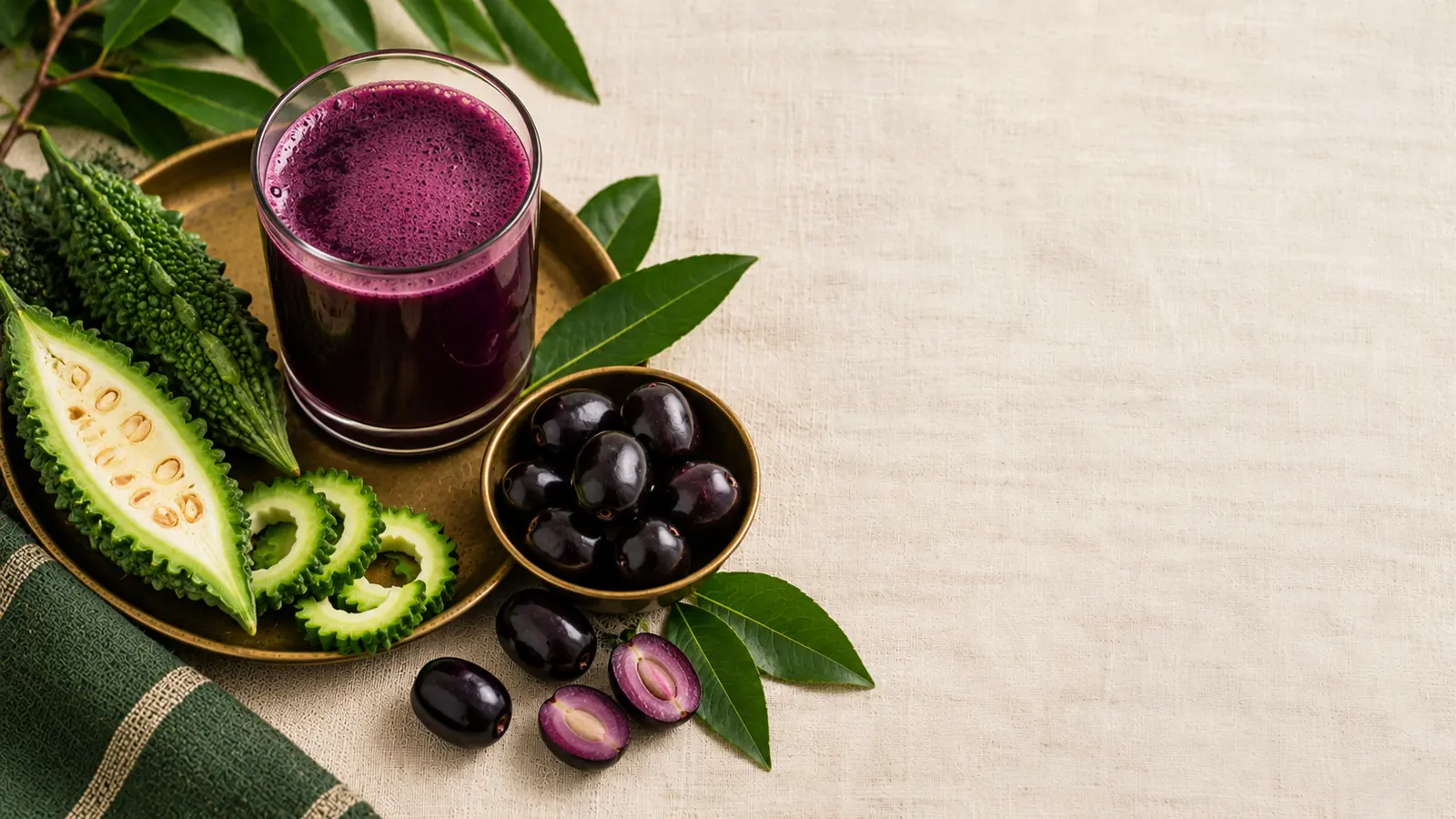
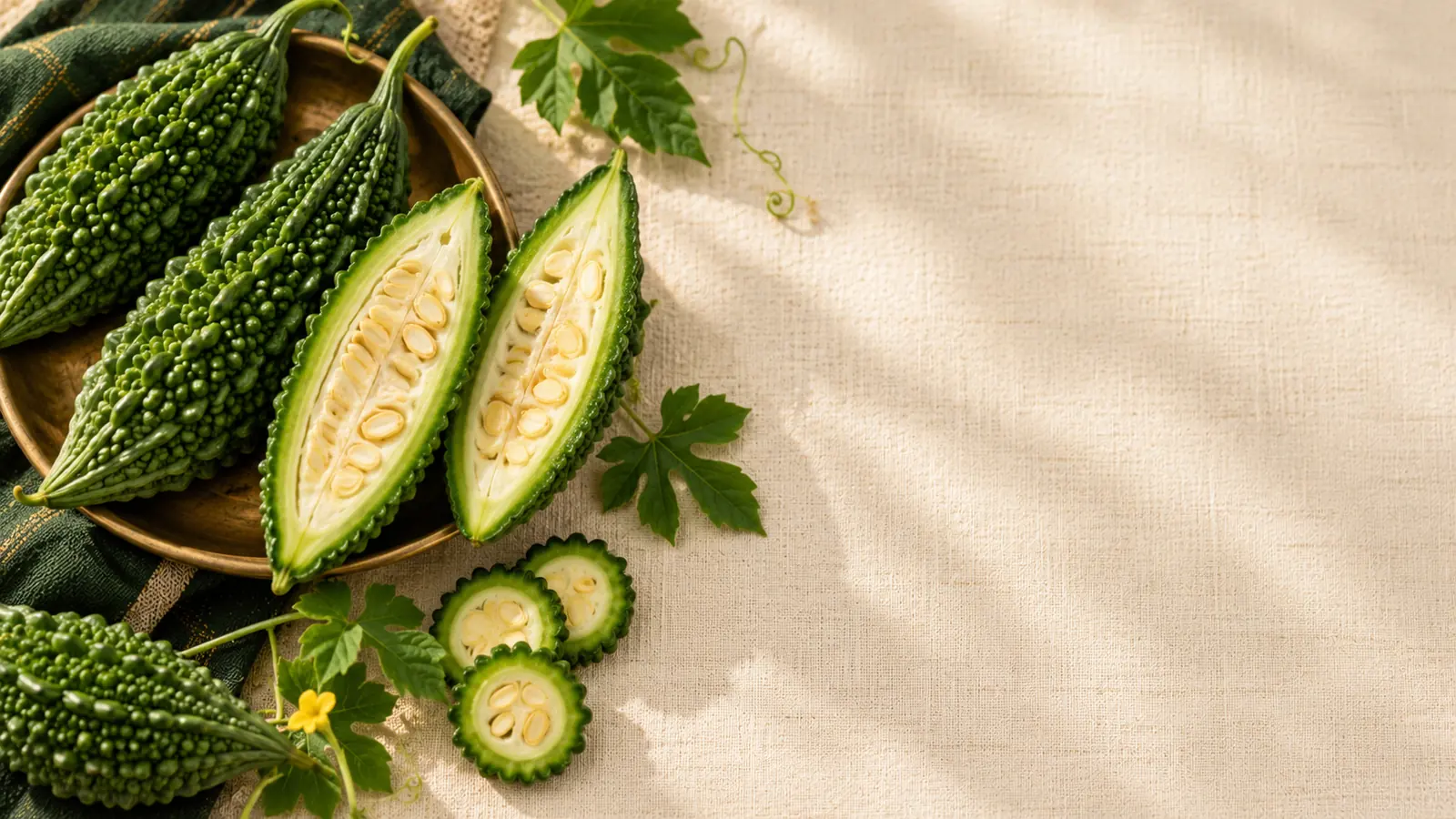
Karela, or bitter gourd, is one of the most familiar bitter vegetables in Indian kitchens and is traditionally valued in Ayurveda for supporting metabolic balance. Its dominant bitter taste (tikta rasa) is thought to help support healthy digestion. Karela is a supportive food, not a medicine — it works alongside, never in place of, your prescribed care and blood-sugar monitoring.
Introduction
Few vegetables divide the dinner table like karela. Its sharp bitterness is exactly why classical Ayurveda holds it in such high regard. In the Ayurvedic system of six tastes, the bitter taste is associated with lightness, cleansing and metabolic support — qualities traditionally considered helpful when the body's metabolism has grown sluggish.
It is worth being clear from the start: karela is a nourishing, traditionally valued food, and this article is educational. It is not a claim that any vegetable can treat a medical condition. Think of karela as one supportive thread woven into a broader, doctor-guided lifestyle.
Curious how food fits your own picture? Book a consultation with our Ayurvedic doctor →
Why Ayurveda values the bitter taste
In Ayurveda, each of the six tastes carries qualities. The bitter taste (tikta rasa) is described as light, dry and cooling. It is traditionally associated with:
- Kindling and supporting digestion (agni).
- Balancing Kapha, the heavier, more sluggish functional energy often linked with metabolic imbalance in Ayurvedic thinking.
- A gentle, cleansing quality on the tissues.
Karela is a concentrated source of this bitter taste, which is why it appears so often in traditional metabolic-support cooking.
Karela in the traditional kitchen
Across India, karela is prepared in many ways — as a dry stir-fry with onions and spices, stuffed, added to dals, or juiced. In an Ayurvedic diabetes-aware diet, karela is usually eaten as a cooked vegetable, seasoned with warming spices like cumin, turmeric and ajwain that make its bitterness more digestible and pleasant.
It sits naturally alongside other bitter and astringent foods — methi leaves, neem-flower preparations, and leafy greens — that traditional kitchens weave through the week.
How to use it safely
Even a familiar vegetable deserves a thoughtful approach, especially if you are managing diabetes with medication:
- Natural does not automatically mean risk-free. Bitter foods can interact with the way some blood-sugar medicines work, so introduce karela gradually and tell your doctor you are eating it regularly.
- Prefer the cooked vegetable over concentrated juices unless a physician has advised otherwise. Strong karela juice on an empty stomach can be harsh for some people and may affect blood-sugar levels more sharply.
- Watch for signs of your levels dropping too low — shakiness, sweating, dizziness — particularly if you take medicines that lower blood sugar. If this happens, follow your doctor's guidance.
- Moderation matters. Very large amounts are not better; a normal culinary portion, a few times a week, reflects traditional use.
- Some people should be cautious, including those who are pregnant or breastfeeding. When in doubt, ask a qualified physician before making karela a daily habit.
Want to try a guided, doctor-designed approach? Get the 5-day Ayurvedic sample →
Where karela fits in the bigger picture
Karela is best understood as one supportive ingredient within a balanced routine — regular meals, daily movement, steady sleep and stress care. On its own, no single food carries your health. Within a considered, physician-guided lifestyle, traditionally valued foods like karela can play a modest, supportive role.
Key takeaways
- Karela is traditionally valued in Ayurveda for its bitter taste (tikta rasa) and metabolic support.
- It is a supportive food, not a medicine, and does not treat or replace medical care.
- Introduce it gradually, prefer the cooked vegetable, and tell your doctor if you eat it regularly, especially on blood-sugar medication.
- Its role is small and supportive within a broader, doctor-guided lifestyle.
Frequently asked questions
Q. How much karela should I eat for diabetes? A. Ayurveda points to normal culinary portions eaten a few times a week rather than large medicinal doses. Because concentrated juices can affect blood sugar more sharply, discuss any regular or concentrated use with your treating physician first.
Q. Can karela replace my diabetes medicines? A. No. Karela is a supportive food, not a substitute for medication. Never reduce or stop prescribed medicines on your own. Any changes must come from your treating doctor, based on your monitoring.
Q. Is karela juice safe every morning? A. For some people it may be too harsh, and if you take blood-sugar-lowering medicines it could push your levels down too far. It is safest to check with a physician before making strong karela juice a daily routine.
Next steps with Guduchi
Terms in this article
Explore the Ayurveda glossary or try our free diabetes risk score.
Ayurvedic diabetes care near you
Guduchi Ayurveda runs BAMS-led clinics in eight Indian cities. Reading is a start — a physician who sees your reports can tailor it to you.
- Ayurvedic Diabetes Clinic, AhmedabadSola, Ahmedabad
- Ayurvedic Diabetes Clinic, BangaloreBanaswadi, Bangalore
- Ayurvedic Diabetes Clinic, ChennaiAnna Nagar West, Chennai
- Ayurvedic Diabetes Clinic, DavangereDavangere
- Ayurvedic Diabetes Clinic, HubballiVidya Nagar, Hubballi
- Ayurvedic Diabetes Clinic, HyderabadJubilee Hills, Hyderabad
- Ayurvedic Diabetes Clinic, KalaburagiShastri Nagar, Kalaburagi
- Ayurvedic Diabetes Clinic, KolkataNewtown, Kolkata
- Ayurvedic Diabetes Clinic, MangaluruUrwa, Mangaluru
- Ayurvedic Diabetes Clinic, MysuruKuvempunagar, Mysuru
- Ayurvedic Diabetes Clinic, UdupiBrahmagiri, Udupi
See all Guduchi diabetes clinics · Book an online consultation
DY
Written by
Dr. Yamuna B SBAMS — Senior Ayurvedic Physician · Bengaluru, Karnataka · Reg. No. 22157
Dr. Yamuna B S is a Senior Ayurvedic Physician at Guduchi Ayurveda in Bengaluru, with a deep focus on Madhumeha (the Ayurvedic understanding of diabetes) and lifestyle-led metabolic care. She works closely with each patient to combine classical Ayurvedic principles with practical, day-to-day guidance on diet, routine and stress — always alongside, not in place of, their regular medical care.
Medical disclaimer: This article is for general education and is not a substitute for professional medical advice, diagnosis, or treatment. Ayurveda is described here as a supportive, complementary system. Do not stop or change any prescribed medication without consulting your treating physician. Always speak with a qualified doctor about your individual health, especially if you are pregnant, elderly, or managing other conditions.