
In short
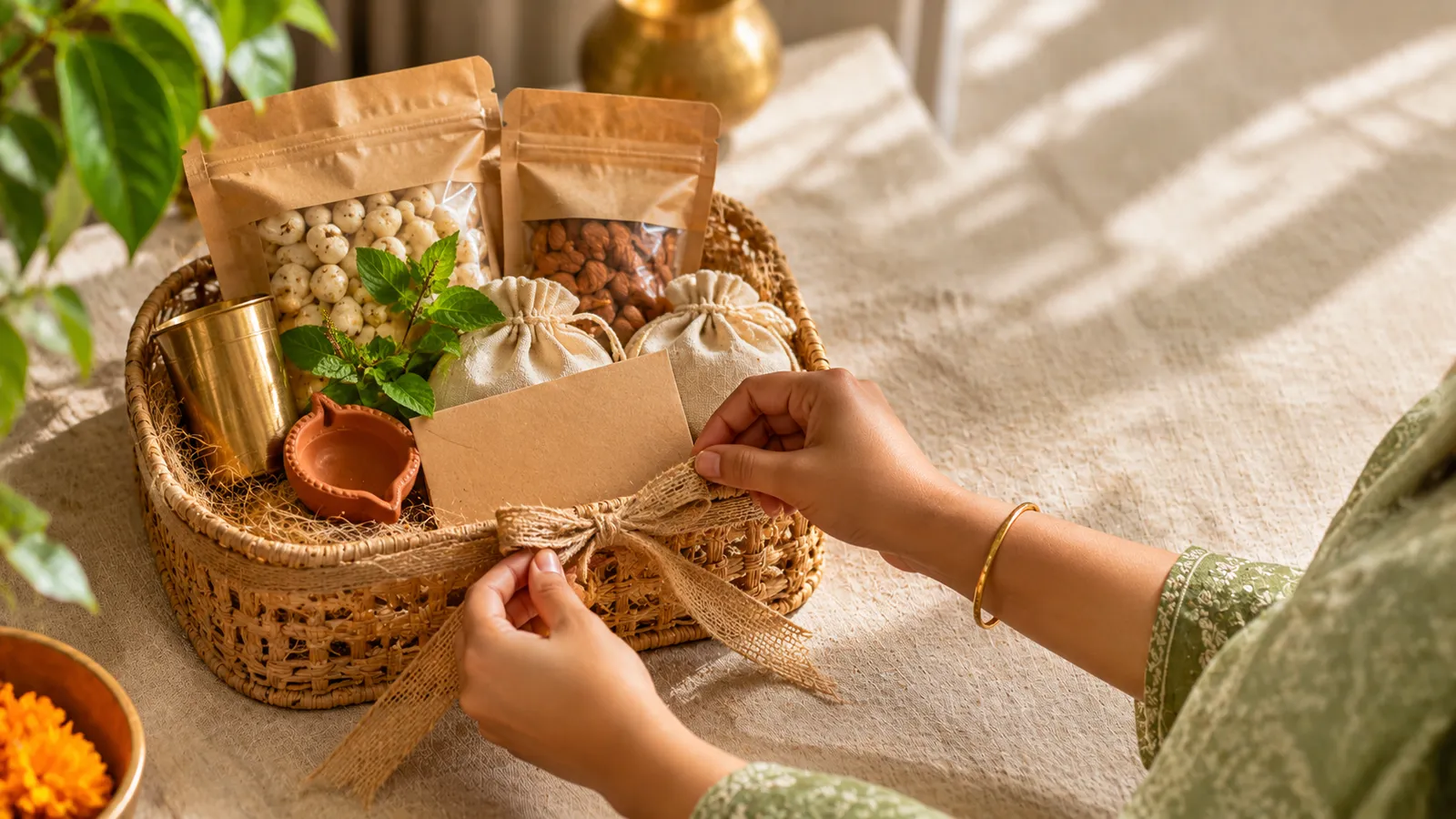
The best Diwali gifts for someone living with diabetes support their routine rather than test it: roasted unsweetened nuts and makhana, millet hampers, unsweetened herbal teas, seasonal fruit, and wellness gifts such as walking shoes or a brass water vessel. Skip the syrup sweets and add a warm, personal note instead.
Introduction
Diwali gifting in India usually means a box of mithai. For the many families where a parent, grandparent or colleague lives with diabetes, that box can quietly become a source of worry — something they feel obliged to eat or to pass on. A thoughtful alternative says "we care about you" in a way that fits their health goals.
Ayurveda offers a useful lens here. It sees food as something that should nourish without burdening digestion (agni), and it values daily routine (dinacharya) as much as any single food. Gifts that support those foundations are both caring and practical.
Gifting to a parent who is managing their blood sugar? Book a consultation with our Ayurvedic doctor for them →
What makes a Diwali gift "diabetes-friendly"?
A gift does not need a "sugar-free" label to be suitable. Ask three questions:
- Is it free of added sugar or syrup? Roasted nuts, plain makhana and whole spices are; honey-coated nuts and "sugar-free" barfi often are not as light as they seem.
- Is it whole and minimally processed? Whole grains, millets and seeds are generally more balanced than refined-flour snacks.
- Does it encourage a healthy habit? Things that make walking, hydration, sleep or home cooking easier tend to be used long after the festival.
Food gifts that fit a balanced plate
Here is a simple guide to food hampers that can work well for loved ones managing their blood sugar.
| Gift idea | Why it suits | What to check |
|---|---|---|
| Roasted almonds, walnuts, pistachios | Protein and good fats; satisfying in small amounts | Choose unsalted or lightly salted, not honey- or sugar-coated |
| Roasted makhana (fox nuts) | Light, crunchy and festive | Plain or with spices, not caramelised |
| Millet hamper (ragi, jowar, bajra, foxtail) | Whole grains Ayurveda has long valued | Whole flours or grains, not millet "cookies" with sugar |
| Whole-spice box (cinnamon, methi, turmeric, cumin, ajwain) | Classic kitchen spices for everyday cooking | Fresh, good-quality spices |
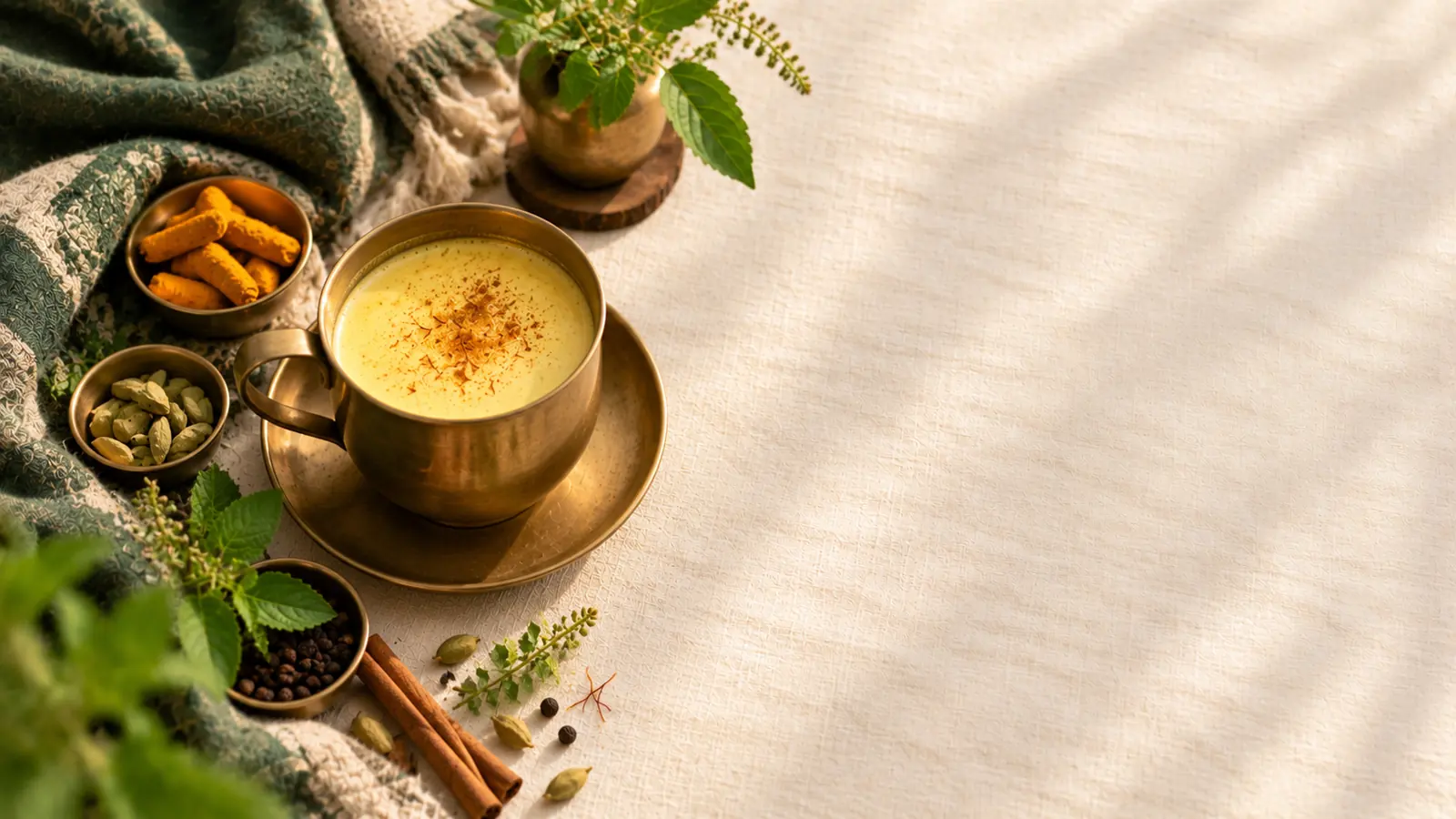
| Unsweetened herbal teas (tulsi, ginger, cinnamon) | A warm winter ritual without sugar | No added sugar, jaggery or "flavour" syrups |
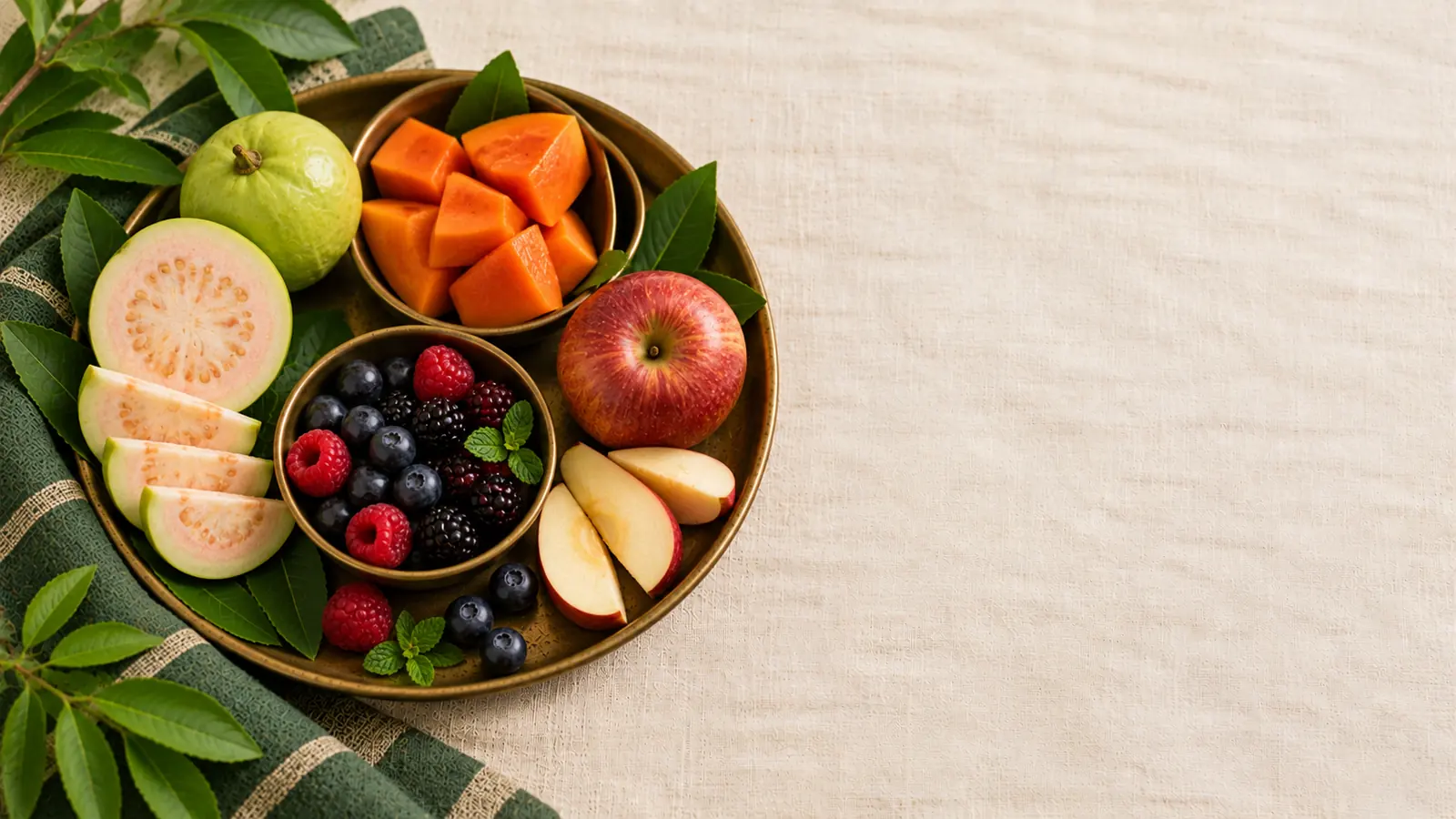
| Seasonal fruit basket (guava, apple, orange, pear) | Fresh, fibrous, naturally portioned | Avoid very sweet dried-fruit-only boxes |
Our guide to millets for blood sugar explains why ragi, jowar and bajra are often recommended in Ayurvedic diet planning.
Wellness gifts that support daily routine
Some of the most useful gifts are not food at all.
- A comfortable pair of walking shoes, with soft cushioning and good fit — supportive for daily walks and for foot care. See our diabetic foot-care habits for why fit matters.
- A copper or brass water vessel — a traditional way to keep warm water close by through the day.
- A yoga mat and a simple routine card — an easy invitation to gentle daily movement at home on cold mornings.
- A warm shawl or woollen socks — winter comfort, especially for people who feel the cold in their hands and feet.
- A small diary for meals and readings — useful to bring to their next doctor's appointment.
- A shared activity — an evening walk together after the Diwali dinner is a gift in itself.
Want to give something they can try right away? Gift our 5-day Ayurvedic sample →
What gifts are best avoided?
With love, it is worth stepping away from:
- Large boxes of syrup-soaked or fried sweets.
- "Sugar-free" mithai assumed to be free of concern — many are still rich in khoa, ghee and refined flour.
- Sweetened dry-fruit "bites" and chocolate-coated nuts.
- Off-the-shelf herbal powders or "diabetes" supplements. Herbs can interact with medicines, and choices like these belong with a qualified physician, not a gift box.
Writing the card: the gift people remember
A short, warm note often matters more than the hamper itself. Something like "Wishing you a bright Diwali and a healthy year ahead — let's go for our evening walks together" turns a gift into a shared commitment, without making anyone feel singled out for their health.
Key takeaways
- Choose gifts free of added sugar: roasted nuts, makhana, millets, whole spices and unsweetened herbal teas.
- "Sugar-free" mithai is still a rich sweet — not an automatically safe choice.
- Wellness gifts such as walking shoes, a water vessel or a yoga mat support daily routine long after Diwali.
- Avoid gifting herbal powders or supplements; those belong under a physician's guidance.
Frequently asked questions
Q. What is a good Diwali gift for a diabetic person? A. Gifts that support their routine — roasted unsweetened nuts, makhana, a millet hamper, unsweetened herbal teas, fresh fruit, or wellness gifts like walking shoes or a yoga mat.
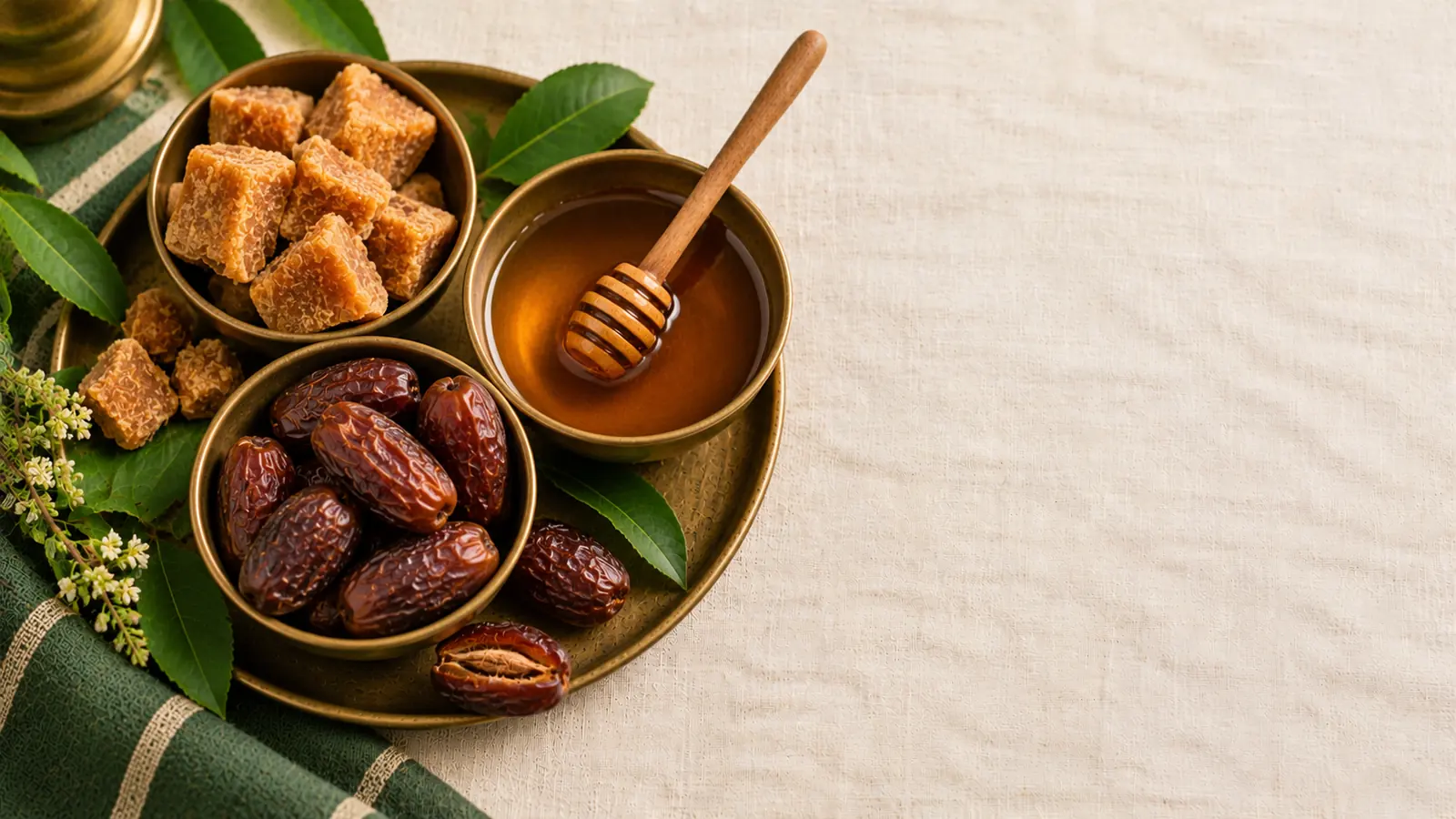
Q. Are dry-fruit boxes okay for people with diabetes? A. Plain roasted nuts in small portions often fit well. Sweet dried fruits such as dates, figs and raisins, or sugar-coated mixes, are best kept to small amounts and discussed with their doctor.
Q. Is it okay to gift Ayurvedic herbal supplements for diabetes? A. It is better not to. Herbs can interact with diabetes medicines, and the right choice depends on the individual. Encourage a consultation with a qualified physician instead.
Q. Should I avoid giving sweets altogether? A. Not necessarily. A small box of good-quality sweets alongside healthier items is fine for most families; just don't make it the centrepiece, and let the person decide how much to enjoy.
Next steps with Guduchi
Terms in this article
Explore the Ayurveda glossary or try our free diabetes risk score.
Ayurvedic diabetes care near you
Guduchi Ayurveda runs BAMS-led clinics in eight Indian cities. Reading is a start — a physician who sees your reports can tailor it to you.
- Ayurvedic Diabetes Clinic, AhmedabadSola, Ahmedabad
- Ayurvedic Diabetes Clinic, BangaloreBanaswadi, Bangalore
- Ayurvedic Diabetes Clinic, ChennaiAnna Nagar West, Chennai
- Ayurvedic Diabetes Clinic, DavangereDavangere
- Ayurvedic Diabetes Clinic, HubballiVidya Nagar, Hubballi
- Ayurvedic Diabetes Clinic, HyderabadJubilee Hills, Hyderabad
- Ayurvedic Diabetes Clinic, KalaburagiShastri Nagar, Kalaburagi
- Ayurvedic Diabetes Clinic, KolkataNewtown, Kolkata
- Ayurvedic Diabetes Clinic, MangaluruUrwa, Mangaluru
- Ayurvedic Diabetes Clinic, MysuruKuvempunagar, Mysuru
- Ayurvedic Diabetes Clinic, UdupiBrahmagiri, Udupi
See all Guduchi diabetes clinics · Book an online consultation
DY
Written by
Dr. Yamuna B SBAMS — Senior Ayurvedic Physician · Bengaluru, Karnataka · Reg. No. 22157
Dr. Yamuna B S is a Senior Ayurvedic Physician at Guduchi Ayurveda in Bengaluru, with a deep focus on Madhumeha (the Ayurvedic understanding of diabetes) and lifestyle-led metabolic care. She works closely with each patient to combine classical Ayurvedic principles with practical, day-to-day guidance on diet, routine and stress — always alongside, not in place of, their regular medical care.
Medical disclaimer: This article is for general education and is not a substitute for professional medical advice, diagnosis, or treatment. Ayurveda is described here as a supportive, complementary system. Do not stop or change any prescribed medication without consulting your treating physician. Always speak with a qualified doctor about your individual health, especially if you are pregnant, elderly, or managing other conditions.