

In short
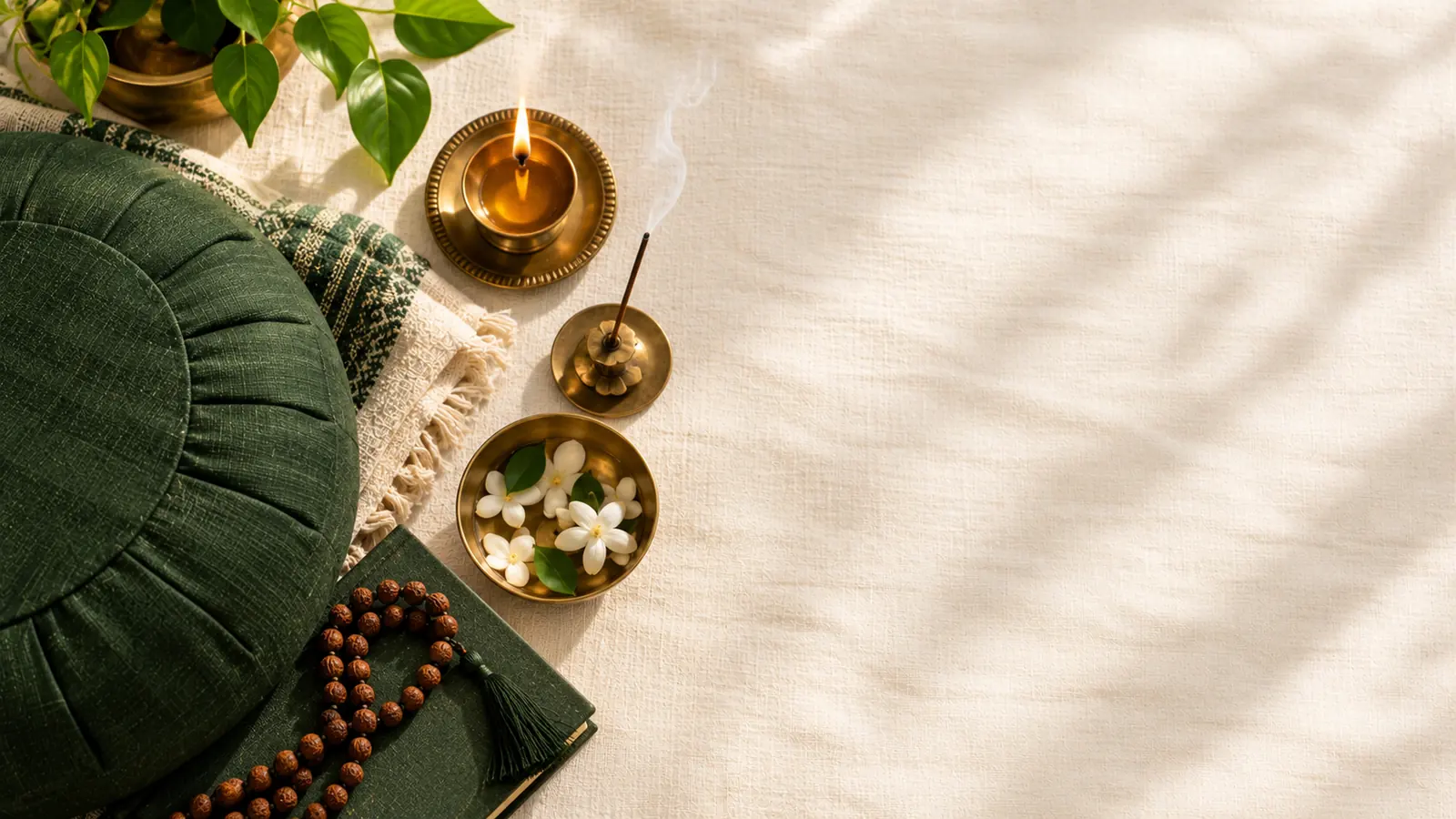
Abhyanga is the traditional Ayurvedic practice of massaging the body with warm oil, usually as part of the morning routine (dinacharya). It is valued as a grounding, calming ritual that supports relaxation, skin nourishment and a sense of daily balance. Here is how to practise it gently at home, and how it fits into supportive self-care alongside your regular medical routine.
Introduction
Ayurveda places great importance on the small, steady habits that shape a day. Among the most cherished of these is abhyanga — the unhurried self-massage of the body with warm oil. Classical texts describe it as a nourishing daily act, one that grounds the mind, soothes the nervous system and looks after the skin.
You do not need special training or equipment to begin. Abhyanga is a simple, sensory ritual you can weave into your morning, and many people find it becomes a quiet anchor in an otherwise busy life. As with all Ayurvedic practices, it is best understood as supportive self-care that works alongside — never in place of — your medical care.
Curious how daily rituals fit your constitution? Book a consultation with our Ayurvedic doctor →
What abhyanga is, and why it is valued
The word abhyanga refers to the loving application of oil to the body. In the Ayurvedic view, oil (sneha) is deeply pacifying to Vata — the energy of movement, dryness and restlessness. When Vata is settled, the body and mind tend to feel steadier and more at ease.
Traditionally, abhyanga is valued for helping to:
- Nourish and soften the skin.
- Support a feeling of warmth, groundedness and relaxation.
- Ease the sense of tiredness or stiffness after rest or activity.
- Create a calm, mindful start to the day.
These are described in Ayurveda as supportive, everyday benefits — a way of caring for yourself rather than a treatment for any specific condition.
Choosing an oil that suits you
The classic choice for abhyanga is warm sesame oil, traditionally considered grounding and suitable for many constitutions, especially where Vata dryness is prominent. Coconut oil is often preferred in hot weather or for those with a warmer, Pitta-leaning tendency, as it is felt to be cooling. Some people use lighter oils in humid seasons.
If you are unsure which oil suits your skin and constitution, an Ayurvedic physician can guide you. This matters especially if you have sensitive skin, any skin condition, or reduced sensation in the feet — in which case gentle, careful handling and your doctor's input are important.
A simple way to practise at home
Abhyanga is best done unhurried, ideally before your bath. A gentle approach:
- Warm the oil slightly so it is pleasant, never hot, to the touch.
- Sit or stand somewhere comfortable and easy to clean.
- Apply oil from the top down — scalp and neck, then arms, torso, back, legs and feet.
- Use long, smooth strokes along the long bones, and circular strokes around the joints.
- Be soft and mindful; this is a soothing ritual, not a vigorous workout.
- Let the oil rest on the skin for a short while, then bathe with comfortably warm water.
Keep the pressure light and the pace slow. The goal is calm and comfort, not intensity.
Want a routine tailored to your day? Book a consultation with our doctor →
Fitting abhyanga into daily balance (dinacharya)
In Ayurveda, dinacharya is the framework of a well-ordered daily routine — regular sleep, meals, movement and self-care. Abhyanga sits naturally within it. Even a shortened version — a few minutes on the feet and scalp before bed — can be a soothing way to wind down.
For people managing long-term conditions such as diabetes, calming daily rituals can be a gentle, supportive part of overall wellbeing, helping with the sense of stress and restlessness that everyday life brings. This is about comfort and routine, not about managing any medical number, and it should always sit alongside the care your treating doctor provides.
A few gentle cautions
Abhyanga is generally soothing, but a little care goes a long way:
- Avoid massaging over broken skin, wounds, infections, or areas of swelling.
- If you have reduced sensation in the feet, be especially gentle and check the skin carefully afterwards — and speak with your doctor first.
- Skip abhyanga during acute illness, fever, or indigestion, when Ayurveda traditionally advises rest instead.
- If pregnant, elderly, or managing other health conditions, check with a qualified doctor before starting.
Key takeaways
- Abhyanga is the Ayurvedic warm-oil self-massage, traditionally part of the daily routine.
- It is valued for relaxation, skin nourishment and a grounded, calm feeling.
- It is supportive self-care that works alongside — never in place of — your medical care.
- Keep it gentle, choose an oil that suits you, and take extra care with sensitive or numb skin.
Frequently asked questions
Q. How often should I do abhyanga? A. Many people enjoy it daily or a few times a week. Even a short version focusing on the feet and scalp can be soothing. Listen to your body and your schedule.
Q. Can abhyanga replace my diabetes medicines or care? A. No. Abhyanga is a calming self-care ritual, not a treatment for diabetes or any condition. It can be a supportive part of daily wellbeing, but it does not replace your prescribed medicines, monitoring, or your doctor's guidance.
Q. Which oil should I start with? A. Warm sesame oil is a traditional all-round choice; coconut oil suits warmer weather and constitutions. If you have sensitive or numb skin or any skin condition, ask an Ayurvedic physician first.
Next steps with Guduchi
Terms in this article
Explore the Ayurveda glossary or try our free diabetes risk score.
Ayurvedic diabetes care near you
Guduchi Ayurveda runs BAMS-led clinics in eight Indian cities. Reading is a start — a physician who sees your reports can tailor it to you.
- Ayurvedic Diabetes Clinic, AhmedabadSola, Ahmedabad
- Ayurvedic Diabetes Clinic, BangaloreBanaswadi, Bangalore
- Ayurvedic Diabetes Clinic, ChennaiAnna Nagar West, Chennai
- Ayurvedic Diabetes Clinic, DavangereDavangere
- Ayurvedic Diabetes Clinic, HubballiVidya Nagar, Hubballi
- Ayurvedic Diabetes Clinic, HyderabadJubilee Hills, Hyderabad
- Ayurvedic Diabetes Clinic, KalaburagiShastri Nagar, Kalaburagi
- Ayurvedic Diabetes Clinic, KolkataNewtown, Kolkata
- Ayurvedic Diabetes Clinic, MangaluruUrwa, Mangaluru
- Ayurvedic Diabetes Clinic, MysuruKuvempunagar, Mysuru
- Ayurvedic Diabetes Clinic, UdupiBrahmagiri, Udupi
See all Guduchi diabetes clinics · Book an online consultation
DY
Written by
Dr. Yamuna B SBAMS — Senior Ayurvedic Physician · Bengaluru, Karnataka · Reg. No. 22157
Dr. Yamuna B S is a Senior Ayurvedic Physician at Guduchi Ayurveda in Bengaluru, with a deep focus on Madhumeha (the Ayurvedic understanding of diabetes) and lifestyle-led metabolic care. She works closely with each patient to combine classical Ayurvedic principles with practical, day-to-day guidance on diet, routine and stress — always alongside, not in place of, their regular medical care.
Medical disclaimer: This article is for general education and is not a substitute for professional medical advice, diagnosis, or treatment. Ayurveda is described here as a supportive, complementary system. Do not stop or change any prescribed medication without consulting your treating physician. Always speak with a qualified doctor about your individual health, especially if you are pregnant, elderly, or managing other conditions.