
In short
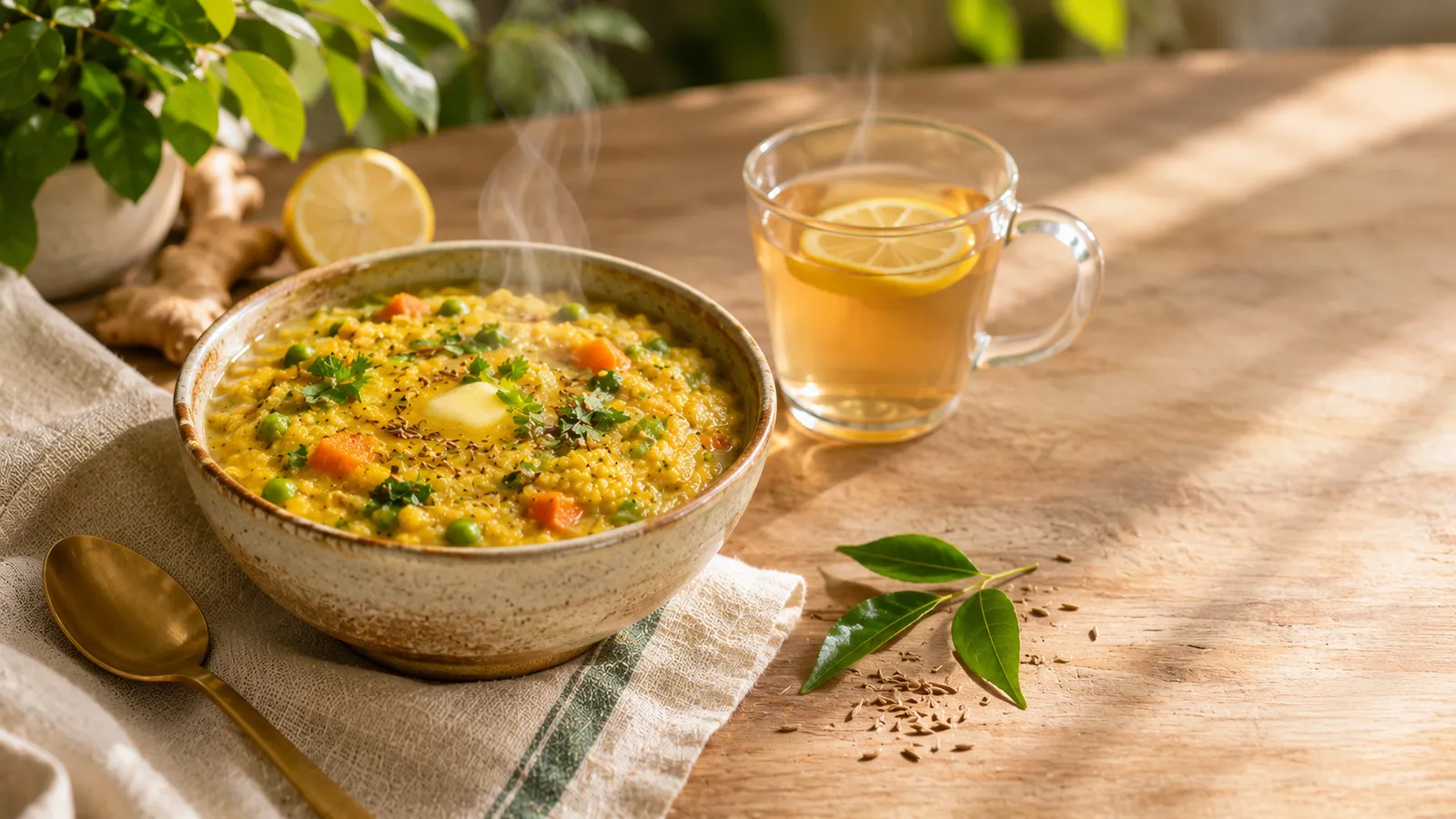
After Diwali, the gentlest way to rebalance is not a crash diet or a fast but a return to rhythm: regular meal times, light warm food such as moong dal khichdi for a few days, a daily walk, earlier nights and your usual monitoring. Keep taking your medicines exactly as prescribed.
Introduction
The diyas are packed away, the sweet boxes are half-empty, and many of us feel the festive week in our bodies: heavier, more tired, and sometimes with readings that have crept up. It is tempting to "make up for it" by skipping meals or starting a strict fast.
Ayurveda takes a kinder view. After a period of rich food and late nights, it suggests easing digestion (agni) back to strength with lighter meals and a steady routine (dinacharya). This is a supportive habit, not a treatment, and it works alongside your prescribed care.
Want a reset plan matched to your own readings and medicines? Book a consultation with our Ayurvedic doctor →
Why not skip meals or fast after Diwali?
Skipping meals or fasting suddenly can be risky if you take medicines that lower blood sugar, because long gaps may cause readings to drop too low. It also tends to lead to overeating later. In Ayurvedic terms, irregular eating unsettles agni rather than restoring it. Steadiness is the goal.
A gentle 7-day routine
| Day | Focus | What to do |
|---|---|---|
| 1 | Rhythm | Return to your usual wake time and meal times. Warm water on waking. Short walk after each main meal. |
| 2 | Lighten | Simple meals: moong dal khichdi with vegetables, clear soups, sautéed greens. No leftover sweets. |
| 3 | Bitter and green | Add a bitter or green vegetable to lunch: methi, karela, lauki, palak. |
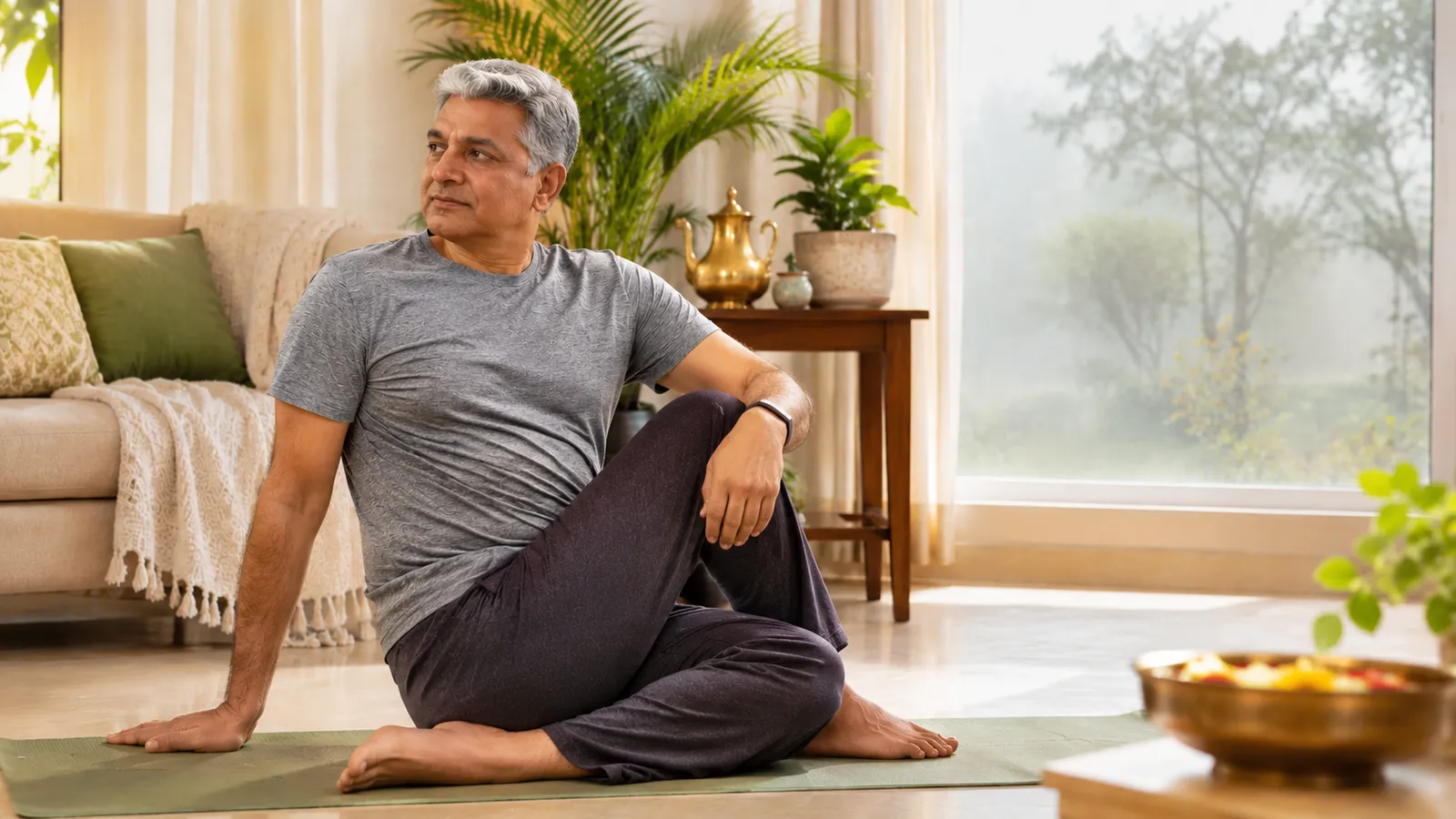
| 4 | Move more | Lengthen your walk or add 15 minutes of gentle yoga at home. |
| 5 | Sleep | Dinner by about 7:30–8 pm and lights out earlier. |
| 6 | Restock | Clear the festive tins. Stock roasted chana, makhana, fruit and millets. |
| 7 | Review | Look at your readings and notes from the week; share them at your next appointment. |
This is a general template. If you have kidney concerns, are pregnant, elderly or on insulin, ask your doctor to adapt it.
What to eat during the reset week
- Breakfast: vegetable upma or poha with peanuts, a moong dal cheela, or ragi porridge without sugar. See our Ayurvedic breakfast ideas.
- Lunch (the main meal): dal, a seasonal vegetable sabzi, a small portion of rice or one or two millet rotis, and a salad or buttermilk.
- Dinner: lighter than lunch — khichdi, vegetable soup or a small roti with dal.
- Snacks, if needed: a fruit such as guava or apple, a handful of roasted chana.
- Drinks: warm water, unsweetened ginger or cumin water, buttermilk at lunch.
Want a gentle, structured way to restart? Try our 5-day Ayurvedic sample →
Movement and rest
A daily walk is one of the simplest supportive habits, especially 10–15 minutes after meals. On cold mornings, walk later in the day or follow a short indoor routine. Add a few minutes of slow breathing or pranayama in the evening to settle the mind; our pranayama guide explains simple techniques.
Sleep is often the forgotten part of a reset. Late Diwali nights unsettle hunger, energy and mood for days afterwards. An earlier dinner and a regular bedtime help everything else fall into place.
When to call your doctor
Contact your treating doctor if your readings stay high for several days, if you feel unusually thirsty, tired or unwell, or if you have had any low readings with shakiness or confusion. Don't adjust medicines on your own. A reset routine supports your care; it does not replace medical review.
Key takeaways
- After Diwali, return to rhythm — regular meals, light warm food and a daily walk — rather than crash diets or fasts.
- Ayurveda's laghu ahara (light food), like moong dal khichdi and soups, helps rest a tired digestion.
- Prioritise sleep and earlier dinners for a week.
- Review your readings and talk to your doctor if they stay high; never change medicines yourself.
Frequently asked questions
Q. How do I bring my sugar back on track after Diwali? A. Return to regular meal times, light and balanced meals, daily walking, earlier sleep and your usual monitoring. If your readings stay high for several days, speak with your treating doctor.
Q. Is a detox or juice cleanse a good idea after festivals? A. Not for people with diabetes unless a doctor specifically advises it. Juice cleanses and fasts can unsettle blood sugar. Simple, light, regular meals are safer.
Q. Is khichdi good for diabetics? A. Moong dal khichdi made with plenty of vegetables, a modest portion of rice or millet, and good spices is a traditional light meal many people find suitable. Portion size still matters.
Q. Can I take an extra dose of my medicine because I ate too many sweets? A. No. Never change your medicine dose on your own. Speak with your treating doctor about any concern with your readings.
Next steps with Guduchi
Terms in this article
Explore the Ayurveda glossary or try our free diabetes risk score.
Ayurvedic diabetes care near you
Guduchi Ayurveda runs BAMS-led clinics in eight Indian cities. Reading is a start — a physician who sees your reports can tailor it to you.
- Ayurvedic Diabetes Clinic, AhmedabadSola, Ahmedabad
- Ayurvedic Diabetes Clinic, BangaloreBanaswadi, Bangalore
- Ayurvedic Diabetes Clinic, ChennaiAnna Nagar West, Chennai
- Ayurvedic Diabetes Clinic, DavangereDavangere
- Ayurvedic Diabetes Clinic, HubballiVidya Nagar, Hubballi
- Ayurvedic Diabetes Clinic, HyderabadJubilee Hills, Hyderabad
- Ayurvedic Diabetes Clinic, KalaburagiShastri Nagar, Kalaburagi
- Ayurvedic Diabetes Clinic, KolkataNewtown, Kolkata
- Ayurvedic Diabetes Clinic, MangaluruUrwa, Mangaluru
- Ayurvedic Diabetes Clinic, MysuruKuvempunagar, Mysuru
- Ayurvedic Diabetes Clinic, UdupiBrahmagiri, Udupi
See all Guduchi diabetes clinics · Book an online consultation
DY
Written by
Dr. Yamuna B SBAMS — Senior Ayurvedic Physician · Bengaluru, Karnataka · Reg. No. 22157
Dr. Yamuna B S is a Senior Ayurvedic Physician at Guduchi Ayurveda in Bengaluru, with a deep focus on Madhumeha (the Ayurvedic understanding of diabetes) and lifestyle-led metabolic care. She works closely with each patient to combine classical Ayurvedic principles with practical, day-to-day guidance on diet, routine and stress — always alongside, not in place of, their regular medical care.
Medical disclaimer: This article is for general education and is not a substitute for professional medical advice, diagnosis, or treatment. Ayurveda is described here as a supportive, complementary system. Do not stop or change any prescribed medication without consulting your treating physician. Always speak with a qualified doctor about your individual health, especially if you are pregnant, elderly, or managing other conditions.